
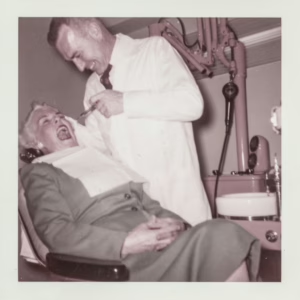
 Discover essential insights in “Emergency Dental Care 101: Recognizing and Responding to Dental Trauma.” Learn how to identify dental emergencies and take prompt action. This guide covers common injuries, immediate care tips, and when to seek professional help. Ensure your smile stays protected with expert advice on emergency dental care.
Emergency Dental Care 101: Recognizing and Responding to Dental Trauma
Dental emergencies can happen when you least expect them, leaving you in pain and confusion. Understanding the basics of emergency dental care is essential for swift and effective action. This guide to Emergency Dental Care 101: Recognizing and Responding to Dental Trauma will help you navigate through these stressful situations, ensuring that you can protect your smile and oral health.
Common Types of Dental Trauma
Dental trauma can arise from various incidents, including sports injuries, falls, or accidents. Recognizing the type of trauma is the first step in addressing it effectively. Some common types of dental injuries include:
- Chipped Teeth: Small pieces of the tooth may break off.
- Knocked-Out Teeth: This can happen suddenly due to a blow to the mouth.
- Fractured Teeth: These are cracks or breaks that may extend below the gum line.
- Soft Tissue Injuries: Cuts or tears to the gums, cheeks, or tongue can also occur.
Immediate Actions to Take
When faced with dental trauma, prompt action is crucial. Here’s how to respond effectively:
- Stay Calm: Panic can worsen the situation. Take a deep breath.
- Assess the Injury: Evaluate the extent of the damage to determine the appropriate response.
- Control Bleeding: If there’s bleeding, apply gentle pressure with a clean cloth or gauze.
- Preserve the Tooth: If a tooth is knocked out, hold it by the crown and rinse it gently without scrubbing.
- Seek Professional Help: Contact a 24/7 Emergency Dentist like Dr. Ninh at Dental 32 Fresh Smiles to get immediate advice.
When to Visit an Emergency Dentist
It’s critical to know when to visit an emergency dentist. Do not hesitate to contact Dr. Ninh at Dental 32 Fresh Smiles in Northern VA if you experience:
- Severe pain that doesn’t subside.
- Excessive bleeding that cannot be controlled.
- A tooth that has been completely knocked out.
- Swelling or signs of infection, such as fever.
- Fractured teeth that could cause complications.
Aftercare and Recovery
After receiving emergency dental care, following your dentist’s aftercare instructions is vital for recovery. Here are some tips for effective aftercare:
- Maintain good oral hygiene to prevent infection.
- Follow prescribed medications for pain and swelling.
- Avoid hard foods that may exacerbate the injury.
- Attend follow-up appointments as recommended.
Preventing Dental Trauma
While accidents can happen, there are steps you can take to minimize the risk of dental trauma. Consider the following preventive measures:
- Wear protective gear during sports or high-risk activities.
- Use a mouthguard to shield your teeth from injuries.
- Practice good oral hygiene to maintain strong teeth and gums.
- Avoid using your teeth as tools to open packages or bottles.
Conclusion: Don’t Wait, Act Now!
Understanding Emergency Dental Care 101: Recognizing and Responding to Dental Trauma empowers you to act promptly. Whether you’re facing a chipped tooth or a more severe injury, the team at Dental 32 Fresh Smiles is ready to assist you. Dr. Ninh and our experienced staff are available 24/7 to provide the urgent care you need. Don’t let dental trauma disrupt your life—contact us now for professional help!
Keywords: emergency dental care, dental trauma, recognize dental trauma, respond to dental trauma, dental emergency tips, urgent dental care, first aid dental injury, dental care basics, tooth injury response, dental pain management, emergency dentist near me, urgent dental treatment, pediatric dental emergencies, dental first aid kit, common dental emergencies
