
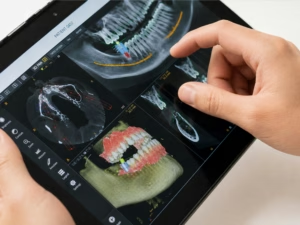
 Discover how X-rays play a crucial role in diagnosing root, bone, and tooth damage. These advanced imaging techniques allow dental professionals to identify underlying issues that are not visible during routine examinations. Trust in X-rays for accurate assessments and effective treatment plans to maintain your dental health.
How X-rays Help Diagnose Root, Bone, and Tooth Damage
In the realm of dental health, understanding the underlying issues affecting your teeth and jawbone is crucial for effective treatment. One of the most powerful tools in a dentist’s arsenal is X-ray imaging. At Dental 32 Fresh Smiles, our goal is to provide comprehensive care, and we leverage advanced technology to ensure accurate diagnoses. In this article, we’ll explore how X-rays help diagnose root, bone, and tooth damage and why they are essential for maintaining optimal oral health.
Understanding the Role of X-rays in Dentistry
X-rays are a form of electromagnetic radiation that can penetrate soft tissues and provide clear images of hard tissues like bones and teeth. These images are invaluable for detecting problems that are not visible during a routine dental examination. Here’s how they assist in diagnosing various types of damage:
- Root Damage: X-rays can reveal issues such as abscesses or infections that may not be apparent from the surface.
- Bone Loss: They help identify bone density and structure, crucial for diagnosing conditions like osteoporosis or periodontal disease.
- Tooth Damage: X-rays can uncover fractures, decay beneath existing fillings, or any hidden dental problems.
Benefits of Utilizing X-rays in Dental Diagnosis
X-rays present numerous advantages, making them an essential part of dental evaluations. Some of the key benefits include:
- Early Detection: Catching issues early can save you from more complex treatments in the future.
- Comprehensive Assessment: X-rays provide a complete picture of your dental health, allowing for informed treatment decisions.
- Guidance for Treatment: They help dentists like Dr. Ninh develop a targeted treatment plan based on precise conditions.
The Process of X-ray Imaging
When you visit Dental 32 Fresh Smiles, the X-ray process is quick and non-invasive. Here’s what you can expect:
- Your dentist will position the X-ray machine to capture images of the necessary areas.
- A lead apron is placed over your chest to protect you from radiation exposure.
- The images take only seconds to capture, after which they are processed for review.
Emergency Situations and X-ray Use
As a 24/7 Emergency Dentist serving the Northern VA area, we often encounter urgent cases where X-rays are critical. Whether it’s a sudden toothache, injury, or swelling, X-rays can quickly identify the problem and guide immediate treatment. Understanding how X-rays help diagnose root, bone, and tooth damage is vital during these emergencies, enabling prompt action to alleviate pain and prevent further complications.
Aftercare and Follow-Up
Once X-rays have been taken and analyzed, your dental team will discuss the findings with you. This discussion may lead to further testing or treatment options tailored to your specific condition. Regular check-ups, including periodic X-rays, ensure that any changes in your dental health are monitored, ultimately supporting your long-term oral well-being.
Contact Us for Your Dental Needs
In conclusion, how X-rays help diagnose root, bone, and tooth damage cannot be understated. They provide critical insights that help your dentist create an effective treatment plan. If you have any concerns about your dental health or need an evaluation, don’t hesitate to reach out. Contact Dental 32 Fresh Smiles today, or visit us to schedule an appointment with Dr. Ninh. We are here to support your journey to a healthier smile!
Keywords: X-rays, dental X-rays, root damage, bone damage, tooth damage, oral health, diagnosis, dental diagnosis, radiography, imaging technology, treatment planning, dental care, tooth decay, dental infections, preventive dentistry
