
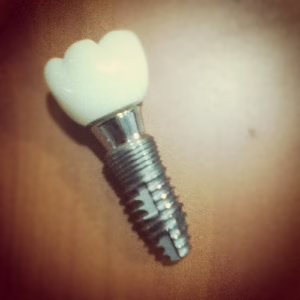
 Discover the key factors that influence long-term success after reimplantation. Understanding these elements can significantly enhance recovery outcomes. Explore the role of patient health and post-operative care in ensuring lasting results. Learn how to maximize success rates after reimplantation for a healthier future.
Factors that Affect Long-Term Success After Reimplantation
Reimplantation procedures are critical in restoring lost teeth, ensuring functionality and aesthetics. However, the factors that affect long-term success after reimplantation can significantly impact the overall outcome. Understanding these factors can guide patients and dental professionals in making informed decisions about treatment and care.
Understanding Reimplantation
Reimplantation involves the surgical replacement of a tooth that has been knocked out. The success of this procedure can vary widely based on several important factors. Patients in Northern VA seeking this type of dental care can trust Dental 32 Fresh Smiles and our experienced team, led by Dr. Ninh, to provide the best possible outcomes.
Immediate Care and Timing
One of the most critical elements affecting the success of reimplantation is the timing of the procedure. Immediate reimplantation, ideally performed within the first hour after tooth loss, greatly increases the chances of long-term success. Consider the following:
- Seek immediate dental care to minimize damage to the periodontal ligament.
- Store the tooth in a suitable medium (like saline or milk) if immediate treatment isn’t available.
- Contact a 24/7 Emergency Dentist to get urgent care.
Condition of the Tooth and Socket
The condition of both the avulsed tooth and the socket plays a crucial role in determining long-term success. Factors to consider include:
- The tooth should be handled by the crown, avoiding contact with the root.
- The socket must be free of infections or damage for optimal healing.
- Pre-existing dental issues may affect the reattachment process.
Patient’s Oral Health
Another significant factor in the success of reimplantation is the overall oral health of the patient. Good oral hygiene and the absence of periodontal disease will enhance recovery and promote healing. Patients should ensure:
- Regular dental check-ups and cleanings.
- Effective brushing and flossing techniques.
- Addressing any existing dental problems before the reimplantation procedure.
Post-Operative Care
Post-operative care is equally vital for the long-term success of reimplantation. Following Dr. Ninh‘s instructions can make a significant difference. Important post-operative considerations include:
- Avoiding hard foods to reduce strain on the reimplanted tooth.
- Maintaining follow-up appointments to monitor healing.
- Using prescribed medications to manage pain and prevent infections.
Patient Participation and Lifestyle Choices
Long-term success also hinges on patient participation and lifestyle choices post-procedure. Factors such as diet, smoking, and overall health can impede healing. Patients should:
- Adopt a balanced diet rich in vitamins and minerals.
- Avoid tobacco products to enhance blood circulation and healing.
- Manage stress levels, as they can affect oral health.
Consult Dental Professionals
Finally, consulting dental professionals for personalized advice is crucial. A team like Dental 32 Fresh Smiles in Northern VA can provide tailored recommendations based on individual circumstances. Ensuring you have a dedicated team to support your recovery journey is invaluable.
In conclusion, understanding the factors that affect long-term success after reimplantation is essential for anyone considering this procedure. From immediate care and post-operative habits to dietary choices and regular check-ups, every element contributes to the overall success of reimplantation. If you’ve lost a tooth and are seeking more information or immediate assistance, don’t hesitate to contact us at Dental 32 Fresh Smiles for expert care and support.
Keywords: Reimplantation success, long-term outcomes, factors affecting reimplantation, patient age, surgical technique, post-operative care, rehabilitation programs, joint function, complication rates, follow-up evaluations, medical history, activity levels, psychological factors, patient compliance, reimplantation challenges.
